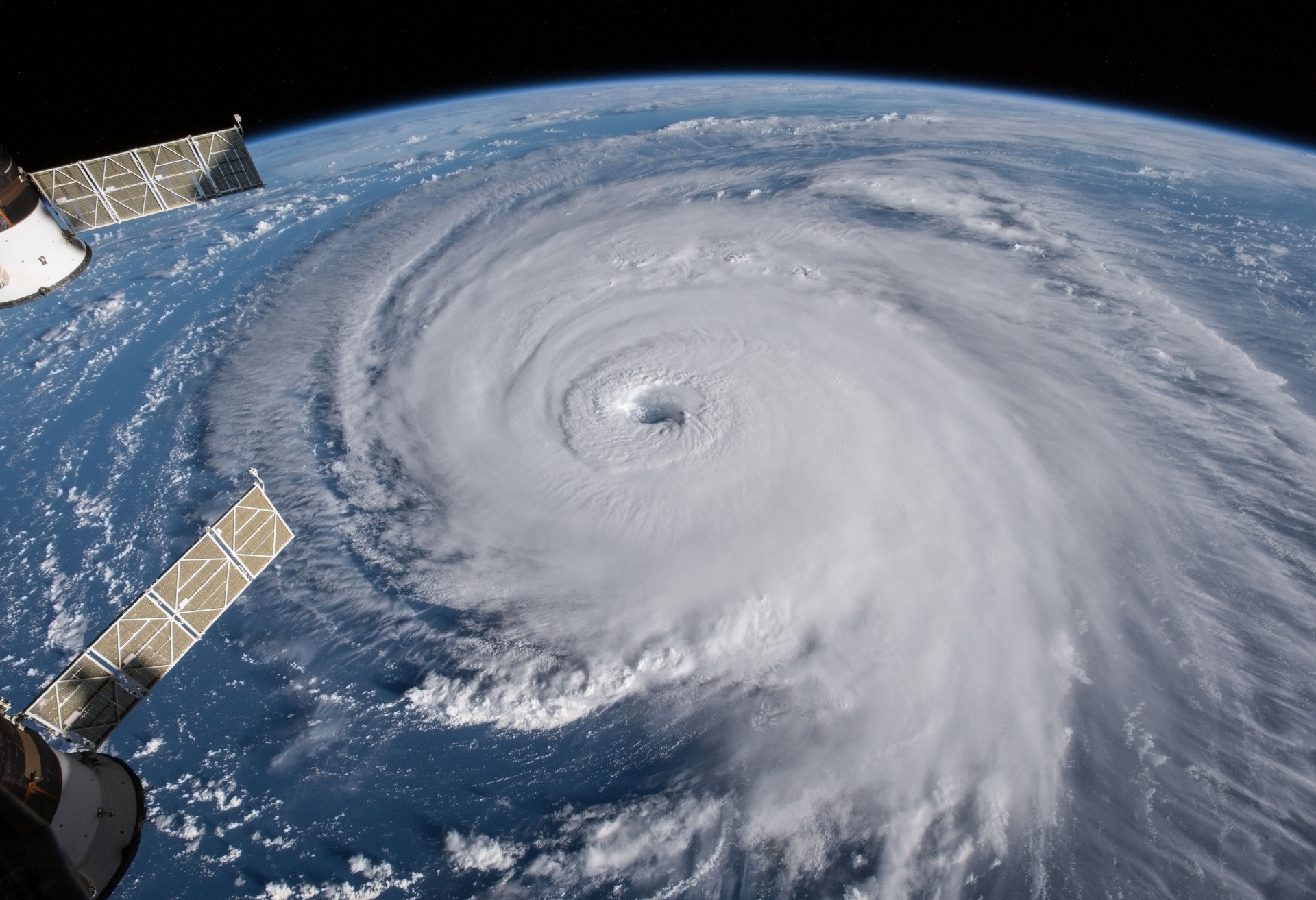
Hurricane Season Starts in 60 Days. Your Best Leads Are Already in Your Database.
AccuWeather forecasts 11 to 16 storms for 2026. Roofers who reactivate their database before June 1 fill the schedule at full margin.
Your Database Is a Pre-Season Revenue Opportunity
Every roofing company that has been operating for more than a year is sitting on a database of past customers, old estimates, and leads that never converted. Most of the time, that data just sits there. Nobody reaches out. Nobody follows up. The contacts slowly go stale.
But those people still have roofs. And with a hurricane forecast in the news, they are more likely to act now than at any other point in the year.
Think about who is sitting in your CRM or lead list right now:
This is not cold outreach. These people have a history with you. Reaching out to them before storm season is a genuine value-add. You are reminding them of something they already know they need to deal with, and giving them a reason to deal with it now.
Why Pre-Season Outreach Works Better Than Storm Chasing
After a major storm, every roofing contractor within 200 miles is running the same play: door knocking, running ads, chasing insurance claims. Homeowners are overwhelmed. They are getting five calls a day. You are competing on volume and speed against everyone in the market at the same time.
Pre-season outreach is the opposite of that environment. The phone is quieter. Homeowners are not being bombarded. And your message carries weight because you are the one who reached out before there was a problem, not after.
There is a case study from a roofing contractor that illustrates this well. He consistently charges 15 to 20 percent more than local competitors and still closes at a 60 percent rate. His edge is not better marketing or a bigger ad budget. It is speed. When a lead comes in, they get a text within one minute and a call within five. By the time competitors respond hours or days later, the homeowner has already scheduled an inspection.
The same principle applies here. The roofer who reaches out to past customers before hurricane season is not competing against other roofers. There is no competition yet. You are the only one in the conversation.
The Numbers Behind the Opportunity
If the instinct to reactivate old leads feels like a long shot, the data says otherwise:
These are cross-industry numbers, not roofing-specific. But the pattern holds: most businesses are losing revenue not because demand is weak, but because follow-up is inconsistent. For a roofer heading into hurricane season with a database of 500 or 1,000 past contacts, even a small response rate on a reactivation campaign can fill weeks of schedule.
What a Pre-Season Reactivation Campaign Actually Looks Like
This does not need to be complicated. The best reactivation campaigns are simple, direct, and run in controlled batches rather than blasting an entire list at once.
Quick math: If you have 500 past contacts and run a reactivation campaign with a conservative 5% response rate, that is 25 conversations. If half of those book an inspection and you close at a 50% rate, that is 6 jobs. At an average job value of $8,000 to $12,000, you are looking at $48,000 to $72,000 in recovered revenue from a list that was doing nothing.
The Real Risk Is Doing Nothing
AccuWeather's lead hurricane expert put it simply: it only takes one storm to cause major damage. But for roofing contractors, the risk is not just the storm itself. It is what happens after.
If you wait until a named storm is in the Gulf to start reaching out, you are competing with every roofer, storm chaser, and out-of-state crew flooding your market. Homeowners are stressed, overwhelmed, and making decisions based on whoever is available, not whoever is best.
If you reach out now, you are the trusted contractor who gave them a heads-up. You booked their inspection before the rush. You filled your schedule at full margin instead of fighting for commoditized storm work.
The contractors who treat their database as an asset, not an archive, are the ones who control their calendar year-round. Hurricane season just happens to give you the best reason to reach out that you will have all year.
Put Your Database to Work Before June 1
If you have a list of past customers, old estimates, or leads that have gone quiet, and you want help turning that into booked jobs before hurricane season, that is exactly what we do.
We run done-for-you reactivation campaigns that re-engage your existing database through SMS, email, and AI-assisted follow-up. You do not need to hire anyone or learn a new platform. We handle the outreach, manage the responses, and deliver booked appointments directly to your calendar.
---
Sources: